Good Arabian wedding etiquette begins with the invitation and the hosts’ guidance. Confirm who is invited, what to wear, when to arrive and whether there are photography or seating arrangements to understand. Arab weddings vary by region, religion and family. A respectful question is more useful than a rule borrowed from an unrelated celebration.
Read the invitation literally
Look for the names of the invited guests and the exact event. A ceremony, reception and pre-wedding gathering may have different guest lists. Do not assume that a partner, child or visiting relative is included unless the invitation says so. Respond through the requested channel and by the stated date.
If you cannot attend every event, tell the hosts which invitation you are accepting. Explain dietary or access needs early and succinctly. You do not need to provide personal medical details to an entire family group. A named host contact is usually the best place for practical questions that the invitation does not answer.
Ask about clothing without guessing
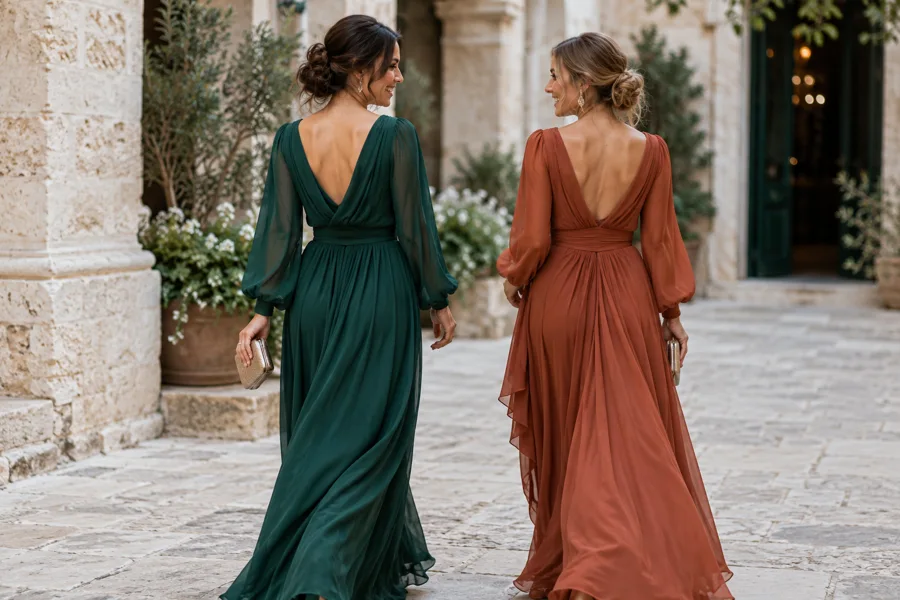
Dress for the venue, formality and specific guidance. An evening reception may have different expectations from a religious ceremony or a family gathering at home. If coverage requirements are unclear, ask about shoulders, hemlines, head coverings and footwear in direct, neutral language. Do not infer the answer from the couple’s nationality alone.
Choose something you can sit and move in comfortably. Avoid deliberately matching the bridal look, and ask if a color has been reserved for the couple or wedding party. Our bridal style guide explains the range of clothing choices without suggesting one universal Arabian dress code.
Arrive according to the actual schedule
Ask whether the stated time is the start of the ceremony or a window for arriving at the reception. Do not rely on stereotypes about late weddings. Leave travel time for parking, security and finding the correct entrance. If you are delayed, contact the designated person rather than repeatedly calling the couple.
At the venue, follow the host team’s instructions about where to wait. An entrance or family photograph may require a clear route. Keep bags and coats out of service paths, and offer assistance only when it is wanted. A calm arrival is more helpful than drawing attention to how far you traveled.
Greetings should follow the other person’s lead
A smile and a spoken greeting are a comfortable starting point. Do not assume that everyone wants a handshake, embrace or cheek kiss. Let the other person indicate what feels appropriate, especially when you have not met before. Learning the correct pronunciation of the couple’s names is a considerate use of preparation time.
Keep congratulations warm and brief when others are waiting. You can write a longer message in a card using our wedding wishes examples. If you browse celebration wishes at MessageBlessings, choose language that suits the couple’s beliefs and your actual relationship.
Photography is a question of permission
Ask before taking portraits, filming private spaces or posting identifiable guests online. Some weddings have specific privacy arrangements, including spaces where people do not expect cameras. A professional photographer’s presence does not give every guest permission to record the same moments. Follow both the invitation and any announcement made on the day.
If the couple shares a wedding hashtag, that still does not override another person’s wishes. Avoid live location details if the hosts have not shared them publicly. Put your phone away during moments when attention is requested, and never step into the aisle or interrupt the hired photographer to obtain your own image.
Food, hospitality and participation
Follow the serving arrangement and ask discreetly about unfamiliar dishes. Tell the caterer about a confirmed dietary need rather than guessing from appearance. Thank the hosts without ranking the food against another culture’s wedding menu. You can appreciate a family’s hospitality without accepting more than you can comfortably eat or drink.
For context, UNESCO documents Arabic coffee and generosity in the communities covered by its entry. Observe the host’s lead rather than treating one description as a universal ritual. If you decline a drink, do so politely. You do not need to perform expertise to be a welcome guest.
Gifts and practical gratitude
Use the registry or gift instructions if provided. Where expectations are unclear, ask a host contact whether there is a preferred arrangement. There is no reliable amount or object that applies to every Arab wedding. Your relationship, means and the couple’s expressed preferences matter more than a general internet rule.
Label a gift clearly, keep receipts private and avoid bringing something difficult to transport unless arranged. Our newlywed gift guide offers ways to choose something personal without imposing extra work. After the celebration, a short thank-you message can acknowledge the care involved in hosting.
Guest checklist
- Confirm your name, event, RSVP and arrival details.
- Ask about clothing, access and dietary arrangements in advance.
- Follow seating instructions and privacy rules.
- Seek permission before joining or recording unfamiliar activities.
- Keep congratulations centered on the couple.
- Arrange your own return transport unless the hosts offer it.
If something surprises you, remain curious without making the couple responsible for a cultural lesson during their wedding. Save broader questions for another time. The traditions overview can help you prepare, but the hosts’ instructions remain the guide to their own celebration.
Guest questions
What if I make a small mistake?
Accept a correction, adjust and continue politely. A brief acknowledgment is usually enough; a long public apology can turn a minor misunderstanding into additional work for the hosts.
Can I leave before the celebration ends?
Yes, when necessary. Check whether there is a key moment you should avoid interrupting, thank a host if practical and depart quietly. You do not need to interrupt the couple’s photographs to explain.
Prepared for this edition on October 21, 2026. Cultural references are linked in context. Requested commercial and message-resource links are marked nofollow; products have not been tested.