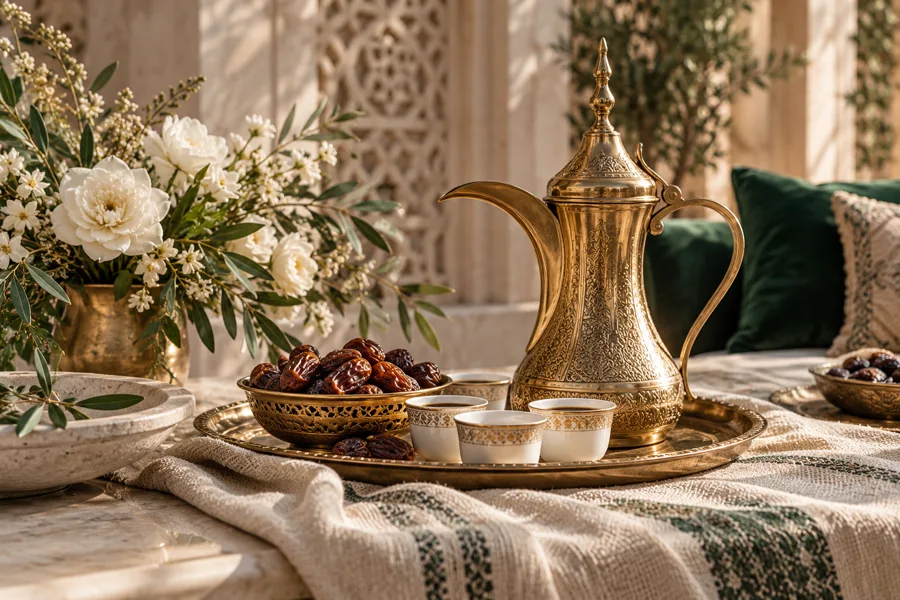
Traditions & Heritage
A celebration shaped by family, place & belonging
Understand Arabian wedding traditions, from family gatherings and henna to hospitality, clothing and celebrations, with regional differences explained.
Read the guide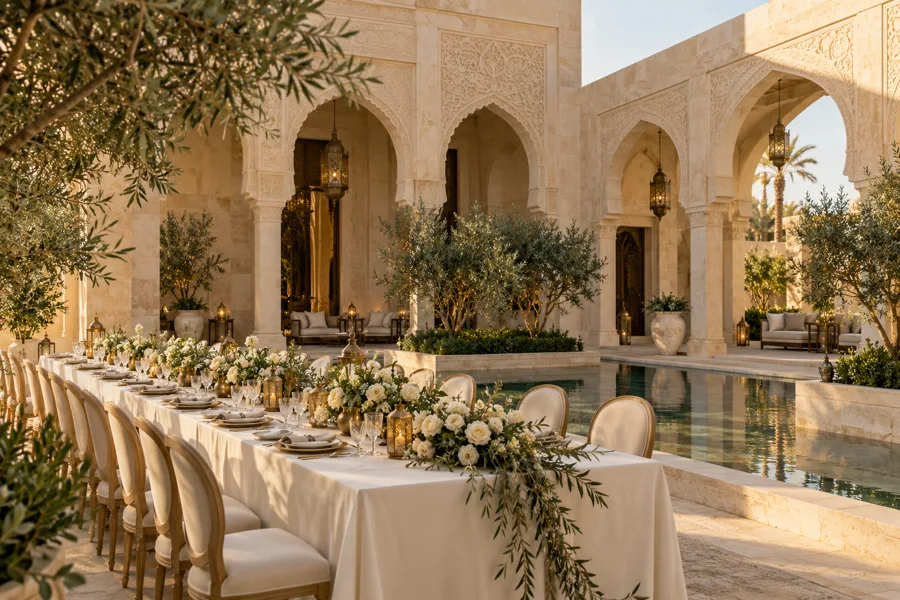 The wedding journal · No. 01
Rooted in meaning.
Made beautifully your own.
An Arabian wedding is best understood through the people celebrating it. Family histories, local customs, faith and personal taste shape the day, from an intimate gathering at home to a carefully planned reception. There is no single ceremony, dress or guest experience that represents every Arab couple.
Arabian Wedding Academy brings together cultural context and practical planning ideas so you can ask better questions and make more considered choices. Explore the traditions that matter to your families, find a style that feels comfortable and create a welcome your guests will remember. Begin with meaning; let the details follow.
01 — Traditions & HeritageThe most useful question is not “What happens at an Arabian wedding?” but “What matters at this family’s wedding?” An engagement gathering, marriage ceremony, henna evening and reception may be separate occasions. Their order, scale and meaning depend on the couple and their community.
Our traditions guide connects these subjects without flattening their differences. It explains how to approach family participation, clothing, hospitality and music with curiosity. The Arabian Peninsula, the Levant and North Africa have distinct histories, and diaspora families often create new combinations. A thoughtful celebration can honor those connections while making room for the couple’s own life.
Ask relatives for specific memories before selecting customs from a mood board. A familiar song, a shared dish or a quiet welcome may hold more meaning than an elaborate production. Write down the stories you want to preserve, and ask who would enjoy helping you bring them into the day.
Discover Arabian wedding traditionsA clear plan protects the moments that make a celebration personal. Decide your priorities before you book a room: the ceremony, time with family, the meal, portraits or a particular gathering. Then compare guest numbers, venue access and the full cost of each event.
For multicultural couples, agree which traditions are essential and which are optional. Give both partners space to explain their expectations, including preferences about music, clothing, privacy and religious participation. Share a concise brief with vendors so they can work toward the same experience.
Leave room for people to move, eat and rest. Accessible seating, understandable directions and reliable transport often make a greater impression than another decorative installation. Use our planning guide to turn the big decisions into a practical sequence, then explore decor and guest etiquette as the details become clearer.
Open the planning guideAgree on the traditions and moments you want to protect.
Build the guest experience around comfort and connection.
Choose a venue, materials and a schedule that work together.
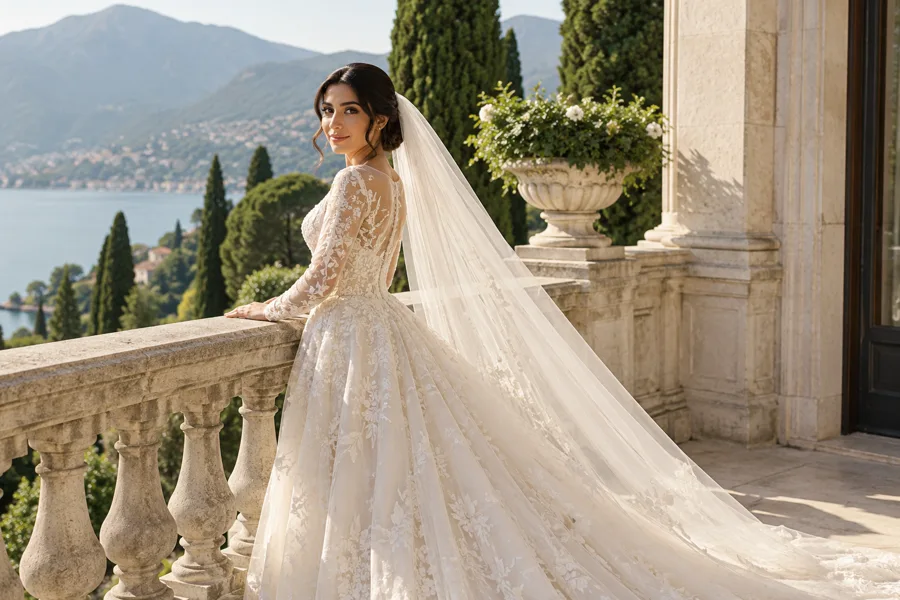
Contemporary bridal inspiration · AI-generated illustration
Bridal style can be both expressive and practical. A contemporary ivory gown, an heirloom garment or a regional outfit may each belong in a wedding, depending on the bride and the occasion. There is no universal Arabian bridal silhouette. Begin with the coverage, movement and comfort you want, then explore fabric and craft.
Look closely at the details that a photograph cannot explain: lining under daylight, sleeve movement, train weight and the way an outfit feels when you sit. If jewelry carries family meaning, bring it to a fitting before choosing the neckline. If a garment references a particular community, learn its name and context from someone who knows it.
Our bridal fashion article offers a considered fitting checklist. For a henna gathering, choose an outfit that suits the setting and allows relaxed participation. You do not need every event to have the same visual language; a few shared colors or materials can create continuity without making the celebrations identical.
Explore bridal dresses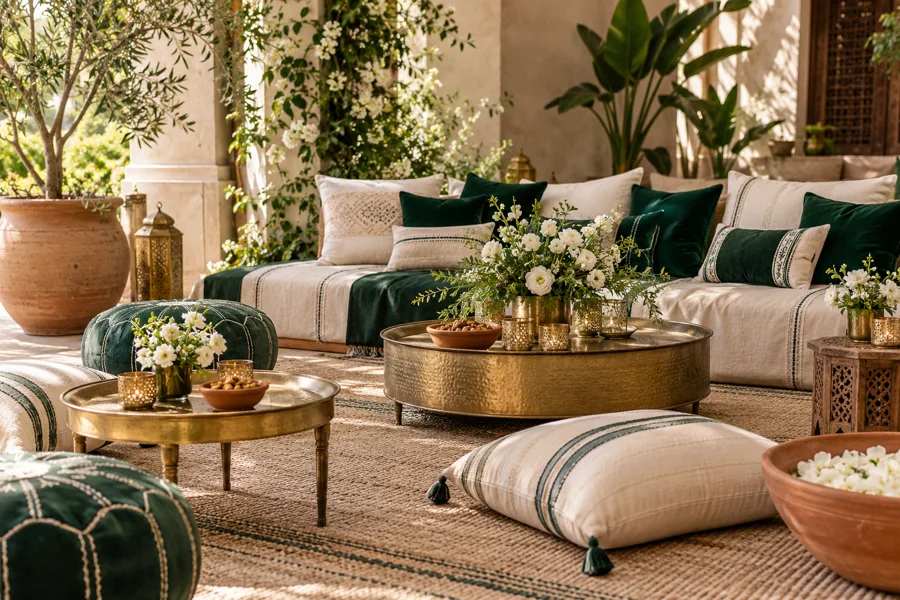
A henna night can create time for connection before a busy wedding day. Some families gather quietly at home; others host music, food and a dedicated artist. Ask the hosts what their evening includes rather than assuming there is a fixed format.
Thoughtful hosting keeps participation optional, provides comfortable seating and explains photography boundaries. Set up the artist’s space with good light and enough room to work. Leave guests a place to put belongings and make food easy to manage. Our henna guide focuses on those choices while keeping cultural context visible.
A considered henna nightThe right wedding message sounds like you and respects the couple. Start with congratulations, add a detail you genuinely know and finish with a wish for their shared life. A few sincere sentences are enough; you do not need an unfamiliar quotation or a religious formula to make your words meaningful.
Our wedding wishes collection includes original English messages for close friends, family, colleagues and multicultural couples. It distinguishes secular wishes from faith-sensitive blessings and explains when it is better to ask before using religious wording. If you want Arabic in a card, have a fluent speaker check both meaning and tone.
For broader heartfelt message inspiration, HeartfeltTexts offers ideas about expressing care across relationships and occasions. MessageBlessings is another source for blessing and greeting ideas. Use such collections as writing prompts, then personalize the message; neither a general greeting site nor a copied phrase can tell you what this particular couple believes.
Find your wedding message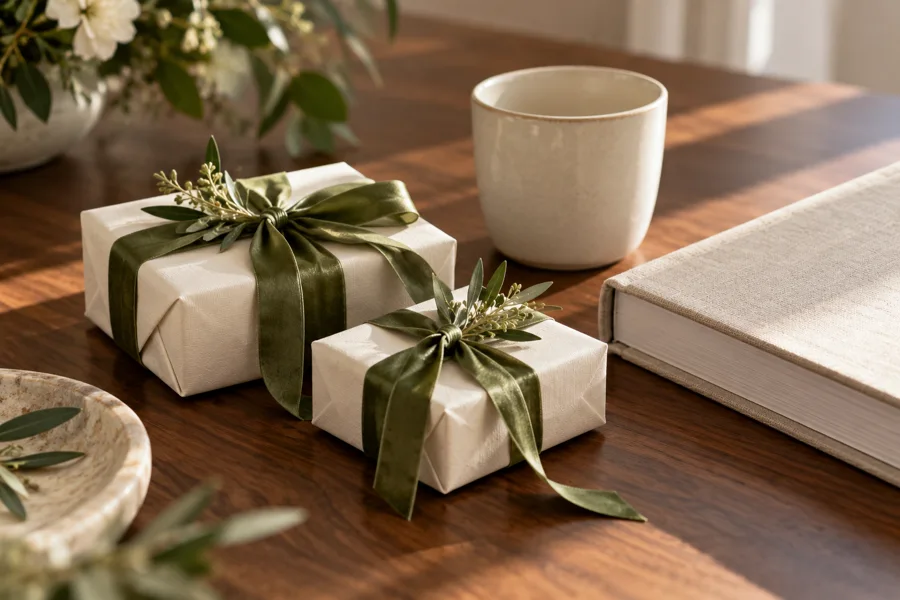
A marriage continues long after the last wedding photograph. Thoughtful gifts can acknowledge that everyday life: a requested household item, a flexible shared experience or a carefully chosen keepsake. Start with the couple’s preferences and consider their space, travel plans and interests before adding personalization.
Our newlywed gift guide compares practical and romantic options without assuming that every couple wants the same thing. Check names and dates before engraving, seek permission before using private photographs and include a gift receipt where appropriate. A meaningful note can turn a modest present into something memorable.
For couples who celebrate the occasion and enjoy coordinated clothing or casual keepsakes, Valentine’s Day gifts for couples at GearCouple offers a collection to browse. This is a shopping option rather than a firsthand product review. Check current sizing, delivery and return information, and choose only something that suits both recipients.
Gifts with meaningUnderstand Arabian wedding traditions, from family gatherings and henna to hospitality, clothing and celebrations, with regional differences explained.
Read the guide
Plan an Arabian-inspired wedding with practical steps for cultural priorities, budgets, venues, food, guest comfort and a realistic wedding timeline.
Read the guide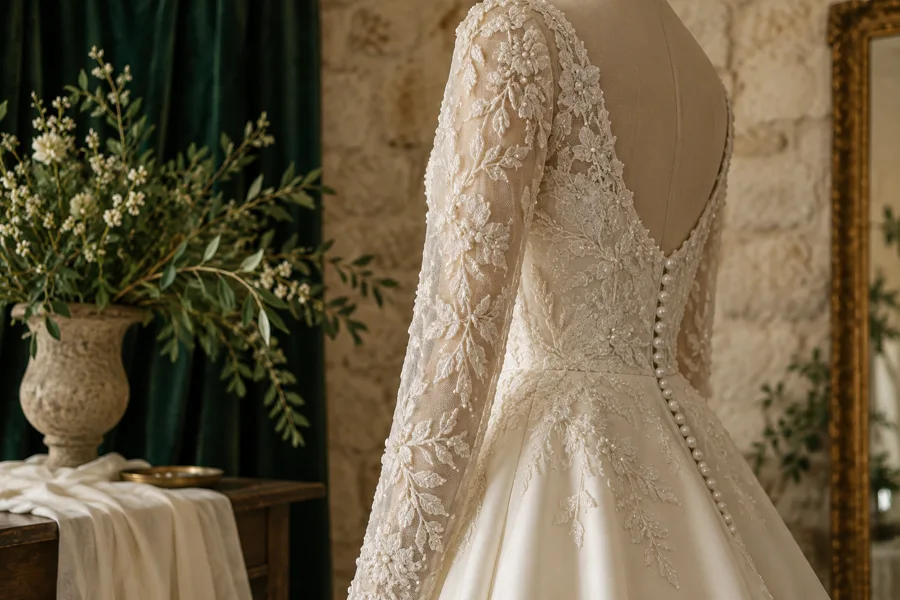
Explore Arabian bridal dresses with thoughtful advice on regional context, modest silhouettes, embroidery, fabrics, accessories and comfortable fittings.
Read the guide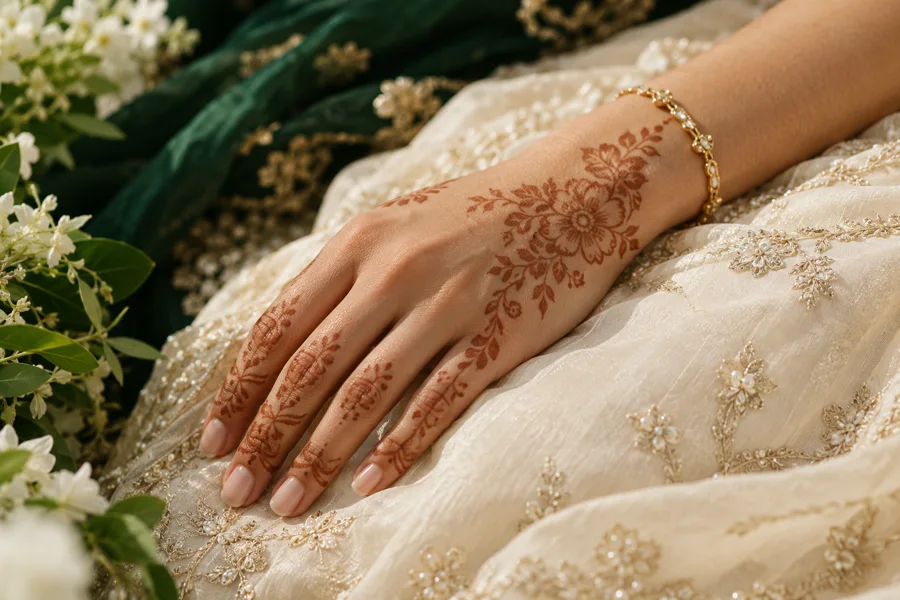
Understand Arabian henna night with cultural context, thoughtful hosting ideas, clothing guidance, guest etiquette and practical celebration planning.
Read the guide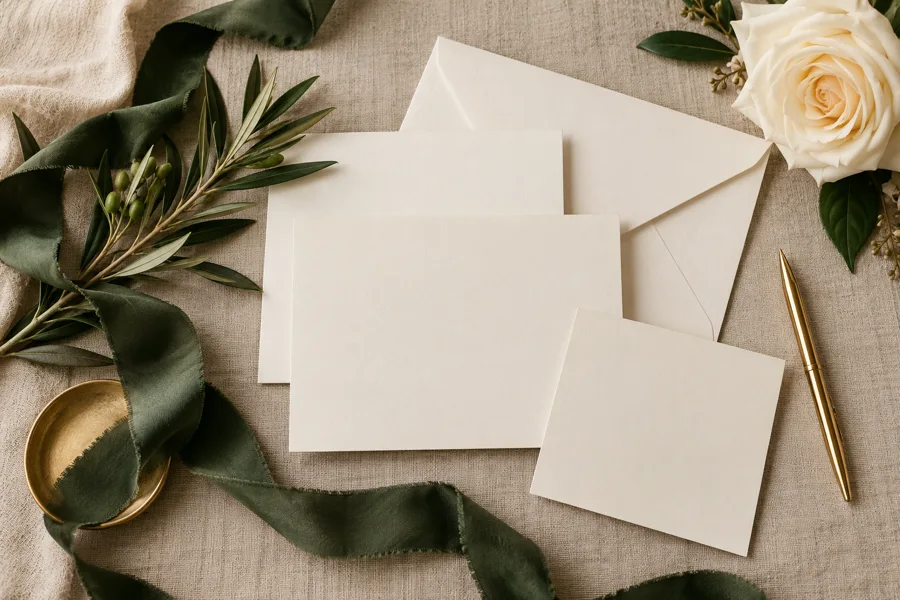
Find original Arabian wedding wishes in English, with heartfelt messages, short congratulations, faith-sensitive blessings and multicultural card guidance.
Read the guide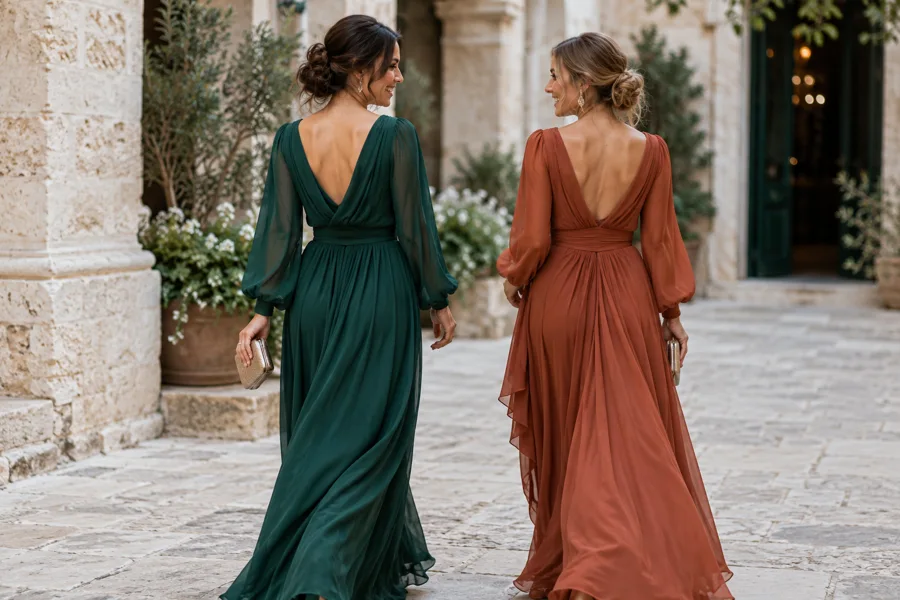
Attend an Arabian wedding thoughtfully with guidance on invitations, clothing, greetings, gifts, photography, food and family-specific expectations.
Read the guide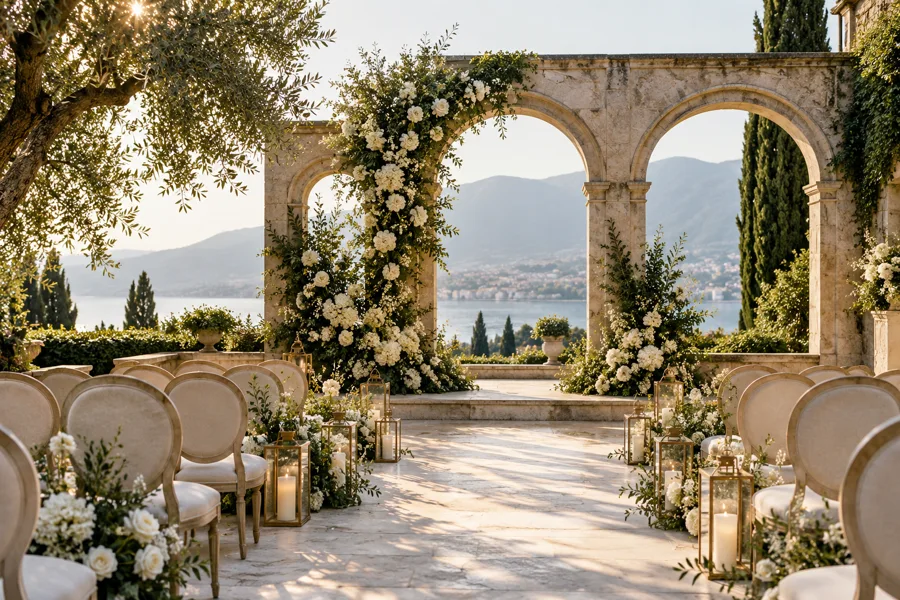
Create elegant Arabian-inspired wedding decor with considered palettes, textiles, flowers, lighting, seating and practical ways to control costs.
Read the guideChoose thoughtful romantic gifts for newlyweds, from personal keepsakes and shared experiences to practical gifts and first Valentine’s Day inspiration.
Read the guideCulture is more useful when it is specific. “Arabian” is often used broadly in wedding searches, but the Arabian Peninsula is only one part of the Arab world. “Middle Eastern” describes a wider region, while “Muslim” refers to religious identity. These terms should not stand in for one another.
A documented example can open a better conversation. UNESCO’s record of henna practices recognizes a shared heritage with local variations. Its entry on Tlemcen’s wedding costume tradition shows why naming a particular community matters. Neither record should become a checklist imposed on families elsewhere.
Use our guides as a starting point, then listen to the people whose traditions you are including. Explain adaptations honestly, distinguish inspiration from inherited practice and resist the pressure to make every detail look representative. Your wedding can have a clear sense of place without claiming to summarize an entire culture.
Arabian Wedding Academy is an independent wedding editorial resource exploring traditions, planning, bridal style and thoughtful celebration. The name reflects an educational focus; this website does not offer accredited courses or professional certification.
Our approach favors clear explanations, original practical guidance and named sources for cultural claims. We do not present one family’s preferences as universal rules or claim expert review that has not taken place. Our editorial policy explains our approach to references, corrections and commercial links. All wedding photographs on this edition are AI-generated illustrations, rather than documentation of real ceremonies or clients.
Read our editorial approachStart with the traditions guide if you are exploring family customs. Move to the planning collection when you need a budget, schedule or venue brief. Browse bridal style for fabric and fitting decisions, or open the wishes collection when you simply need a kind sentence for someone you love. A thoughtful celebration is built one considered choice at a time.
Find your starting point